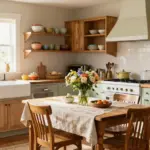
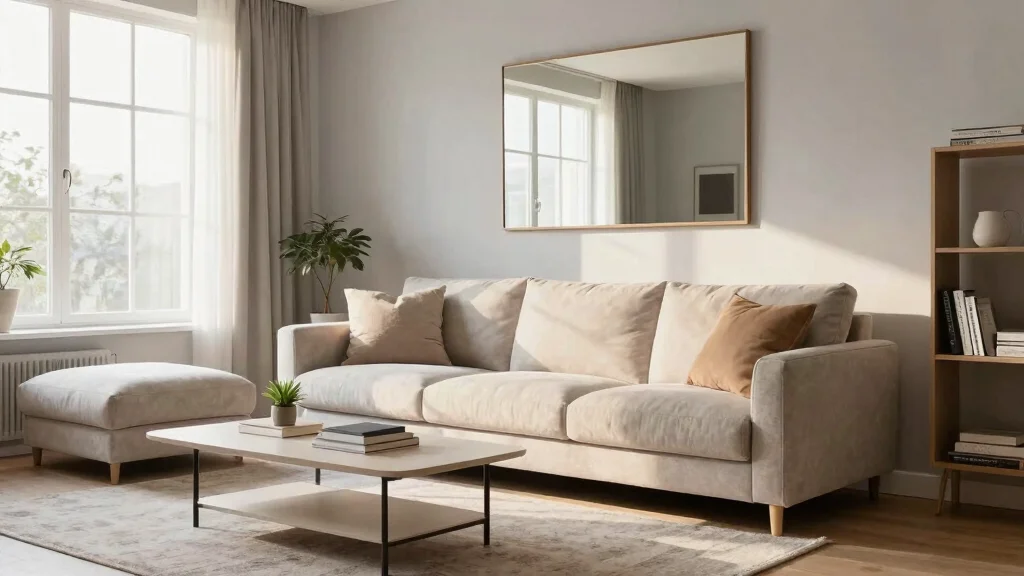
Finding ways to make your small narrow living room feel open can be a real challenge. With urban apartments often featuring tight spaces, it’s easy to feel overwhelmed by the limited square footage. That’s why I created this post. I wanted to help you discover clever design solutions that not only enhance your small living room design but also make it feel more spacious and inviting.
If you love home decor and want to transform your narrow living room into a cozy haven, this guide is for you. Whether you’re moving into a new apartment or just looking to refresh your current space, I’ve gathered 10 small narrow living room ideas that will inspire you. These tips are practical, fun, and perfect for anyone looking to maximize their small living area without sacrificing style.
From utilizing mirrors to embracing natural light, you’ll find actionable ideas that can instantly change the way you view your living space. Let’s dive in and explore how to create a more open, airy feel in your narrow living room!
Key Takeaways
– Mirrors create depth: Using mirrors strategically can visually expand your space, making the room feel larger than it is.
– Light colors brighten the room: Choosing light paint colors for the walls and furniture can reflect more light, adding to the open feeling.
– Space-saving furniture is key: Investing in multifunctional furniture can help you maximize seating without overcrowding your space.
– Rugs can define areas: Using rugs to create zones can help separate different functions in your living room, enhancing its overall flow.
– Natural light matters: Keeping windows free from heavy drapes maximizes natural light, making the room feel fresh and open.
1. Utilize Mirrors to Create Depth
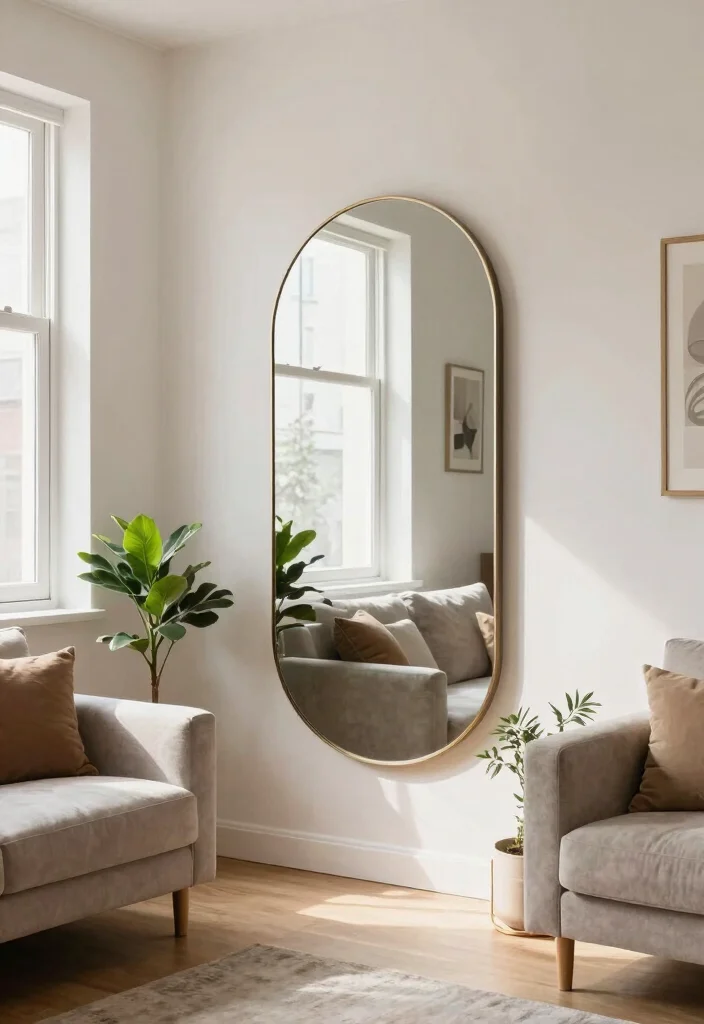
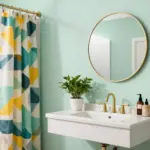
Mirrors can be a game-changer in small narrow living rooms. Their reflective surfaces not only amplify natural light but also create the illusion of more space, making your room feel airy and open. Positioning a large mirror opposite a window can enhance this effect, inviting brightness to every corner. Consider unique shapes or decorative frames to add character while maintaining functionality.
To make the most of mirrors, think about how they can be strategically placed. Budget-friendly options include thrift store finds or DIY projects to create your own frame. This approach connects with the broader trend of incorporating personal touches into home design.
– Pair a large wall mirror with light-colored walls for maximum reflection.
– Hang smaller mirrors at varying heights to add visual interest.
– Use round mirrors to soften the room’s angular features.
– Opt for frameless designs to maintain a clean look.
Mirrors not only enhance depth but also elevate the overall aesthetic, inviting light and warmth into your living space.
2. Go for Light Colors
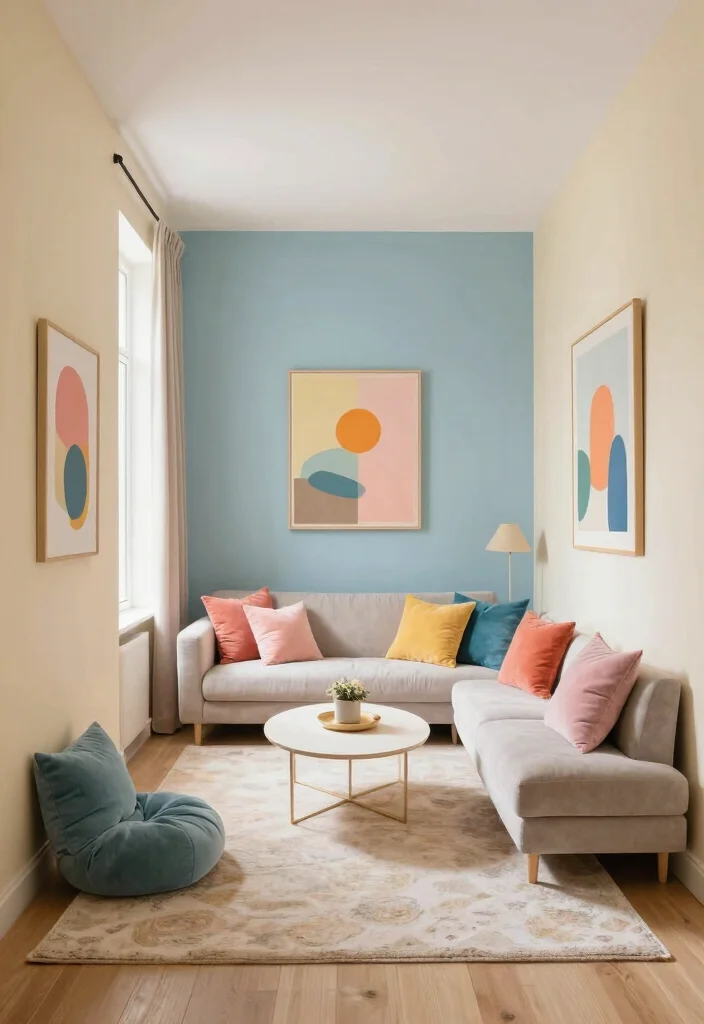
Light colors are essential in creating an open and inviting atmosphere in narrow living rooms. Soft whites, pastels, or pale hues contribute to a bright, airy feel that expands the visual space. You can balance these light tones with darker furniture pieces, adding depth without cluttering the space. Incorporating colorful accents through cushions or artwork can provide a personal touch without overwhelming the room.
Implementing this color scheme can be done on a budget with paint samples and thrifted decor items. It reflects a trend towards minimalism and creates a serene environment that promotes relaxation.
– Light walls help maximize natural light and openness.
– Combine textures in similar light hues for added depth.
– Use colorful accessories like cushions and throws for personality.
– Consider painting one accent wall a darker shade for contrast.
Embracing light colors not only opens up the space but also enhances the warmth of your narrow living room.
Light colors reflect up to 80% of ambient light, making small narrow living room ideas feel instantly brighter. A pale palette widens walls without clutter, while darker furniture adds depth. Pro tip: paint, then add cozy color via cushions for budget-friendly impact!
Dimensions & Size Guide
When designing a small narrow living room, understanding dimensions and sizes is crucial for making the best use of your space. Knowing the right measurements can help you choose furniture and decor that fits your lifestyle without making the room feel cramped. Let’s break it down into manageable sections.
Standard Sizes & Measurements:
– Sofa Sizes: A standard sofa ranges from 72 to 96 inches in length. For a narrow living room, consider options under 72 inches or a loveseat measuring about 48 inches. Ensure there’s at least 30 inches of walking space around the sofa for easy movement.
– Coffee Tables: The average coffee table is about 48 inches long. For a small space, a table between 30 to 36 inches is ideal. Leave at least 18 inches between the table and seating for comfort.
– Rug Dimensions: A rug should be proportional to your furniture. Aim for 5×8 feet for smaller areas. If your rug is too small, it can make the space feel disjointed.
– Accent Chairs: Look for chairs that are compact, around 30 to 36 inches wide. This will help maintain flow while providing extra seating.
– Wall Shelves: Floating shelves can range from 24 to 48 inches long. Position them at eye level, about 54 inches from the floor, for optimal display and access.
Quick Reference Table:
Size/Dimension – Best for: [use case], Minimum space needed: [measurement]
– Sofa (under 72 inches) – Best for: Small narrow rooms, Minimum space needed: 30 inches walking space
– Coffee Table (30-36 inches) – Best for: Small living rooms, Minimum space needed: 18 inches from seating
– Rug (5×8 feet) – Best for: Defining seating areas, Minimum space needed: Entire seating arrangement
– Accent Chair (30-36 inches wide) – Best for: Extra seating without bulk, Minimum space needed: 24 inches around
– Floating Shelf (24-48 inches long) – Best for: Display and storage, Minimum space needed: 54 inches from the floor
Space Planning Tips:
1. Measure Before You Buy: Use a tape measure to determine where furniture will go. Always measure doorways and hallways to ensure everything fits through.
2. Create a Floor Plan: Sketch your living room layout on paper before moving furniture. You can also use online room planners for a digital approach.
3. Avoid Overcrowding: Leave space between furniture pieces. Too much in one area can create a cluttered look, which makes the room feel smaller.
4. Think Vertically: When dealing with a narrow space, think about vertical storage options. Tall bookshelves or wall-mounted units draw the eye upward and increase the perception of height.
5. Common Mistakes: Many people forget to account for the depth of their furniture. A sofa may fit in length, but if it’s too deep, it can block pathways and make the room feel cramped.
Pro Tip: The most critical measurement to consider is the walking space. Aim for at least 30 inches between larger pieces of furniture. This allows for flow and ensures your living room feels open and inviting. 💡
3. Opt for Space-Saving Furniture
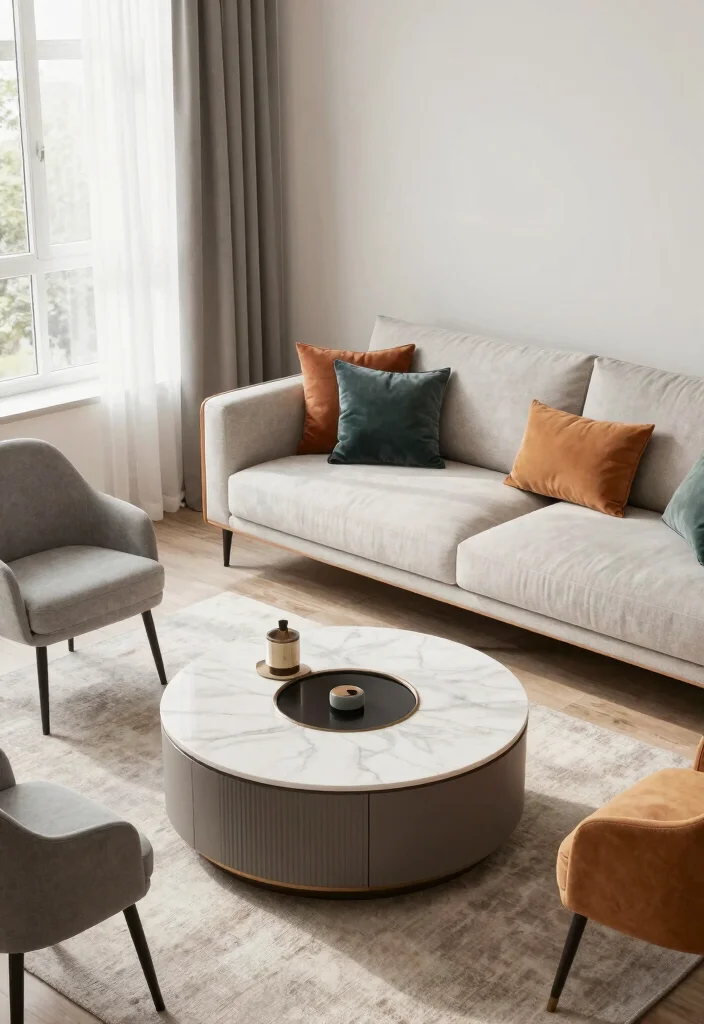
Choosing the right furniture is vital in a narrow living room. Pieces that serve multiple functions, such as a coffee table with storage or a sofa bed, can maximize utility while minimizing clutter. Lightweight furniture is also a great option, allowing for easy rearrangement to suit your needs. Selecting items with exposed legs creates an illusion of space by keeping the floor visible.
When sourcing furniture, look for sales or consider second-hand options to stay within budget. This approach aligns with the trend of prioritizing functionality in design while maintaining a stylish look.
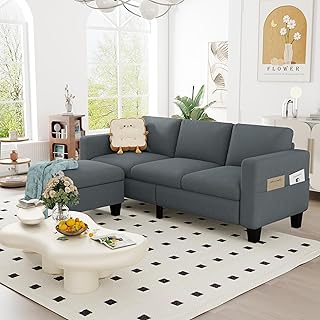
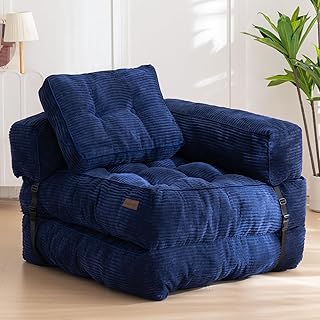
– Choose a sofa bed for versatile seating and sleeping.
– Use ottomans with storage for extra seating and organization.
– Select nesting tables for easy storage when not in use.
– Opt for furniture with clean lines to enhance a modern feel.
Space-saving furniture not only optimizes functionality but also contributes to a more open and inviting living space.
4. Create Zones with Rugs
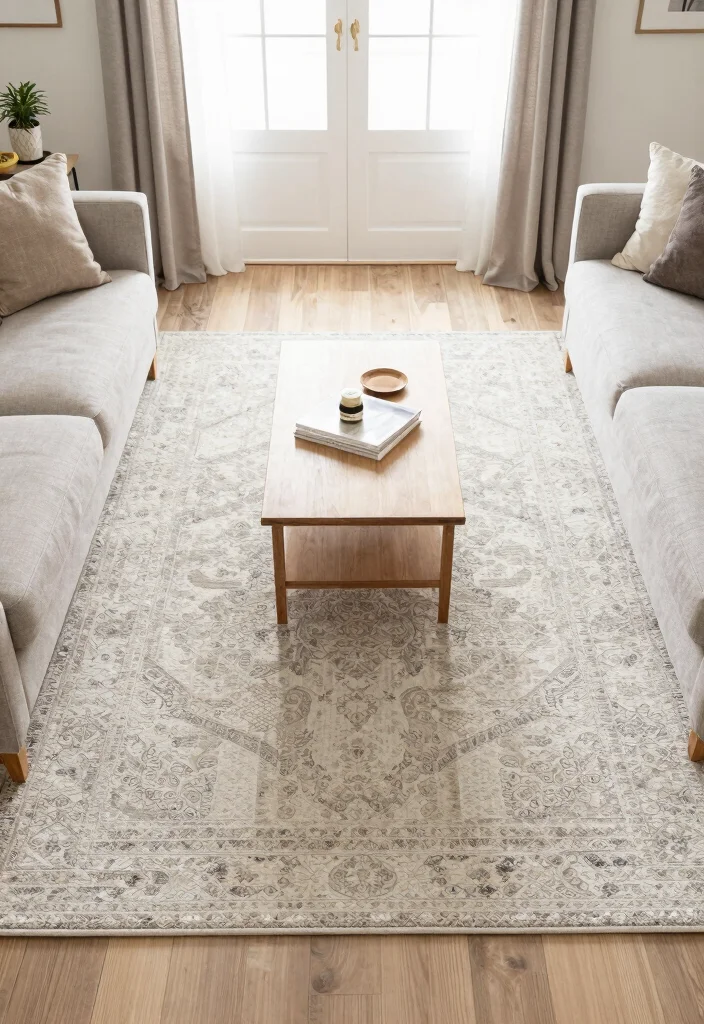
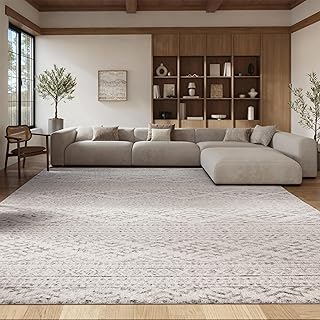
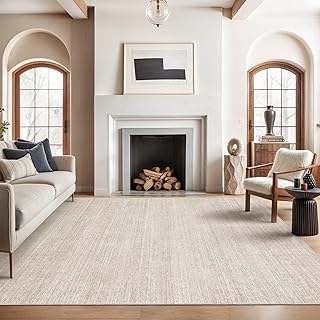
Rugs can effectively delineate areas in your narrow living room, giving it structure and organization. An area rug can define your seating arrangement, drawing the eye to a central focal point. Opting for a larger rug that covers a significant portion of the floor can create the illusion of a more expansive space. Simple, muted patterns contribute to a calming atmosphere that enhances the overall feel of the room.
To maximize this design idea, consider layering rugs or using textured options to add warmth without crowding. This style connects with the trend of creating cozy, inviting nooks within open layouts.
– Use a large area rug to anchor your seating space.
– Layer rugs for added texture and depth.
– Choose simple patterns to maintain a serene vibe.
– Position the rug to encompass all furniture legs for cohesion.
Rugs not only define spaces but also add warmth and character to your narrow living room.
Create Zones with Rugs
Editor’s Choice



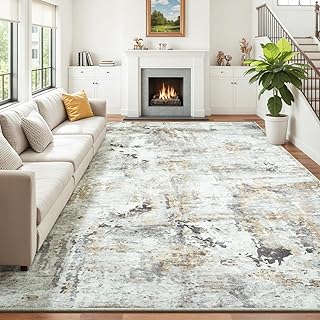
5. Embrace Minimalist Decor
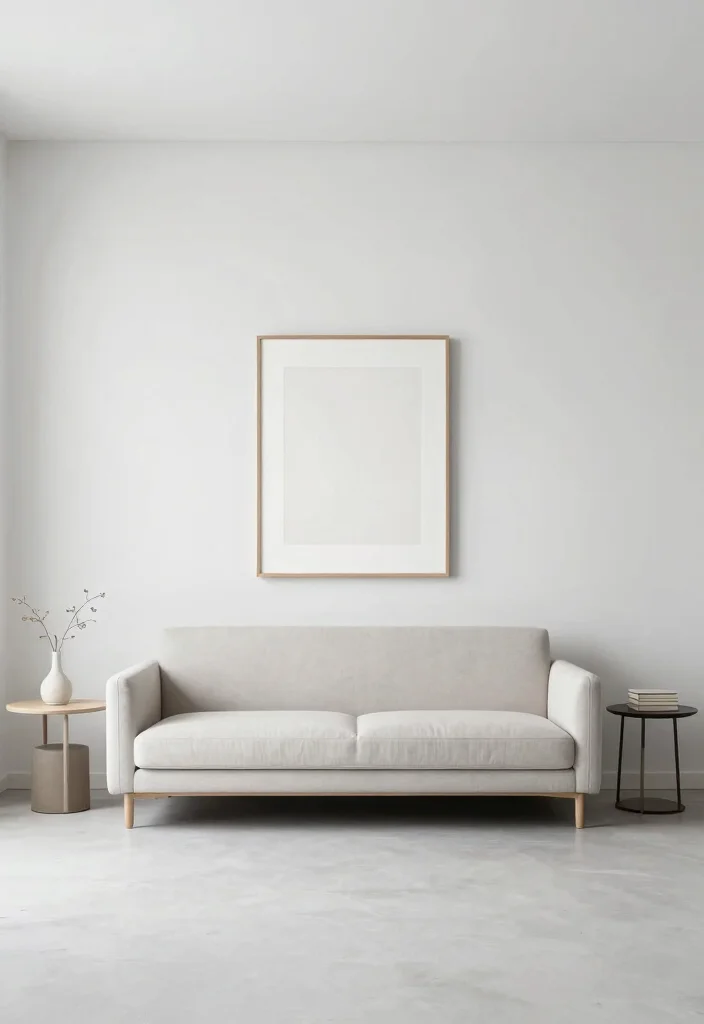
The principle of ‘less is more’ is particularly effective in narrow living rooms. By adopting a minimalist approach, you can declutter and focus on essential decor items that enhance the space. Select a few statement pieces rather than filling the area with numerous decorations, which can create visual chaos. This not only clears the space but also promotes a feeling of openness and tranquility.
To create a minimalist look on a budget, focus on functional decor that doubles as art, like sculptural lighting or unique furniture. This trend resonates with the growing desire for simplicity in design.
– Limit decorative items to a few meaningful pieces.
– Incorporate functional art, like stylish lighting fixtures.
– Keep surfaces clear to enhance openness.
– Choose furniture with clean lines for a sleek aesthetic.
Embracing minimalism not only fosters a calm environment but also enhances the spaciousness of your narrow living room.
Fun fact: in small narrow living room ideas, decluttering by 40% can make the space feel up to 30% more open. Fewer, higher-impact pieces breathe room and calm in tight spaces. Focus on functional decor that doubles as art—it’s budget-friendly and instantly transformative.
6. Use Vertical Space
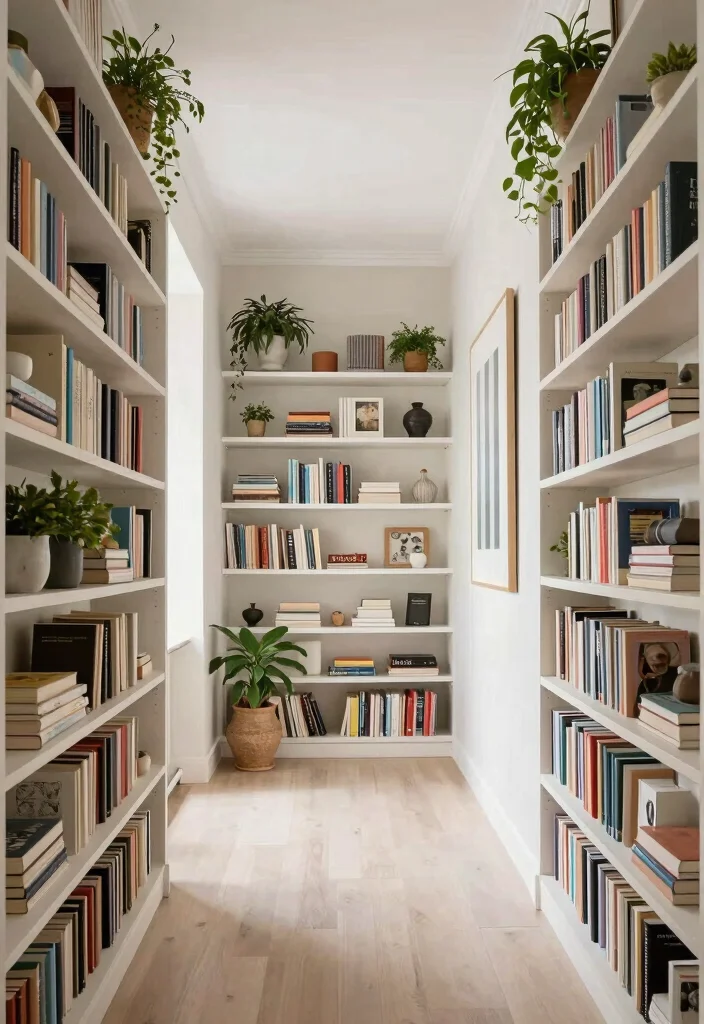
Utilizing vertical space is key in narrow living rooms where floor space is limited. Tall bookshelves or wall-mounted storage can draw the eye upward, creating an illusion of height and spaciousness. Adding floating shelves is a great way to display plants or art, bringing character without sacrificing floor area. Vertical stripes on the walls can further enhance the feeling of height.
Look for budget-friendly shelving options at discount stores or consider DIY projects to save costs. This technique aligns with the trend of maximizing space while keeping a stylish aesthetic.
– Opt for tall bookshelves to increase storage vertically.
– Incorporate vertical artwork to emphasize height.
– Use wall-mounted planters to add greenery without clutter.
– Paint vertical stripes to enhance the sense of height.
Utilizing vertical space not only optimizes storage but also contributes to a visually dynamic living area.
Small narrow living room ideas prove that height, not footprint, wins. Look up with tall bookshelves and floating shelves to free floor space, then add vertical stripes to push the ceiling higher; pro tip: small narrow living room ideas deliver big impact.
7. Keep Furniture Arranged for Flow
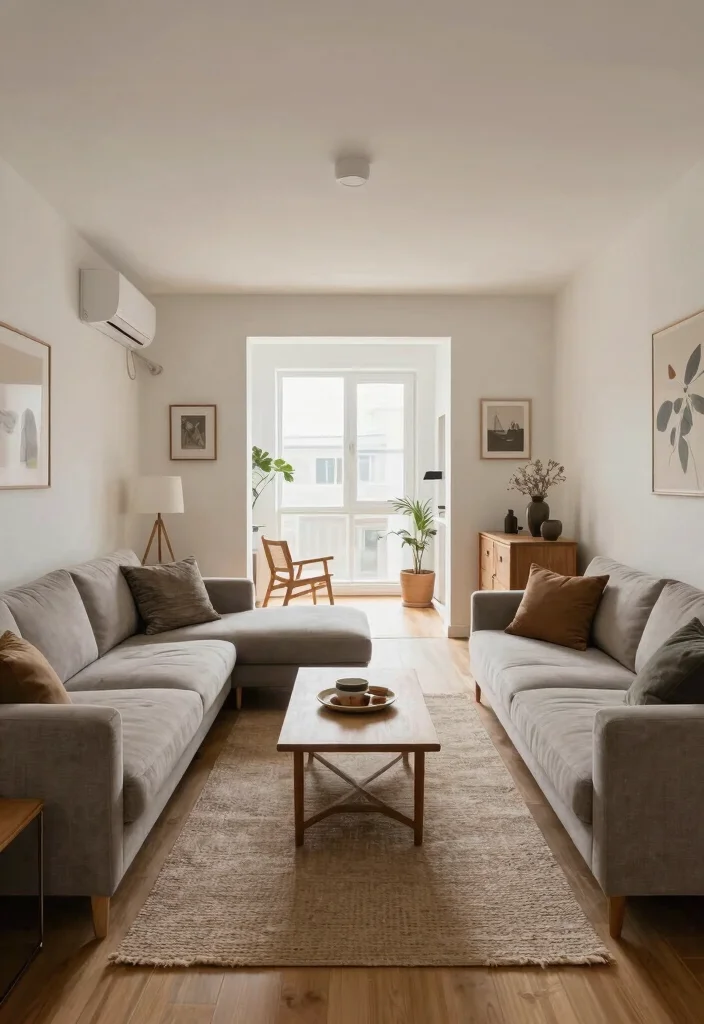
Thoughtful furniture arrangement is essential for creating a natural flow in your narrow living room. Avoid placing large furniture pieces in positions that block pathways, as this can make the space feel cramped. Instead, create clear walking routes to ensure the room feels open and accessible. Grouping furniture encourages conversation while maintaining an airy layout.
Experiment with different arrangements to find the best flow for your space without overspending. This practice connects to the broader trend of creating inviting and functional social spaces.
– Experiment with layouts to find the best flow.
– Leave space between larger pieces for easy movement.
– Create cozy nooks for seating while keeping the openness.
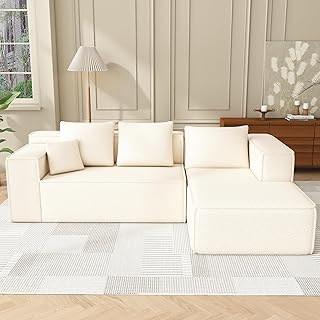
– Use an L-shaped sofa to maximize seating and space.
Thoughtful furniture arrangement enhances flow and fosters a welcoming atmosphere in your narrow living room.
Keep Furniture Arranged for Flow
Editor’s Choice


8. Maximize Natural Light
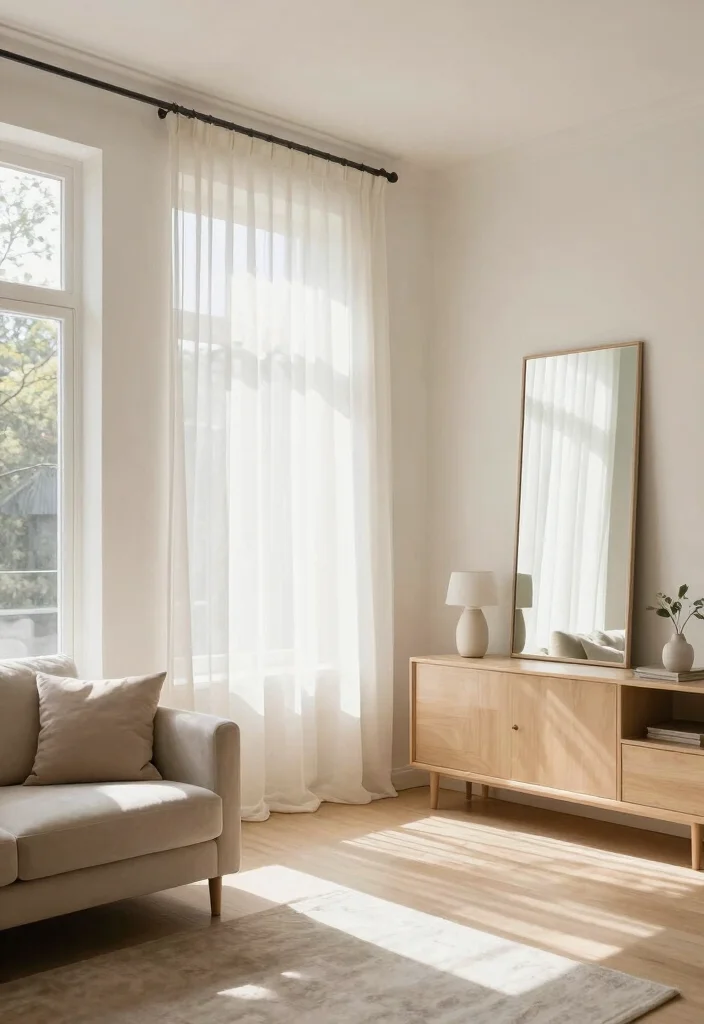
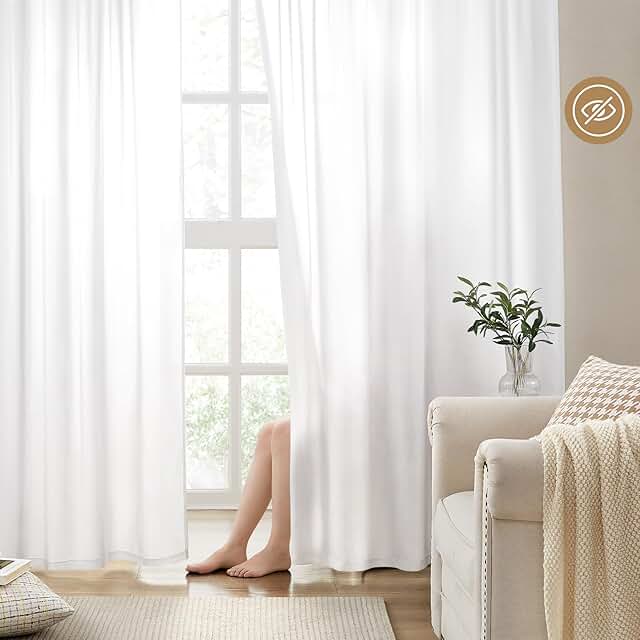
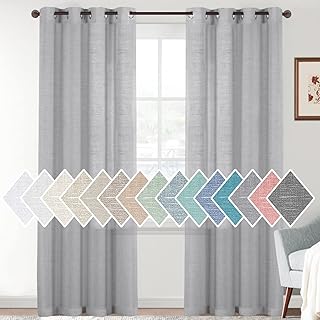
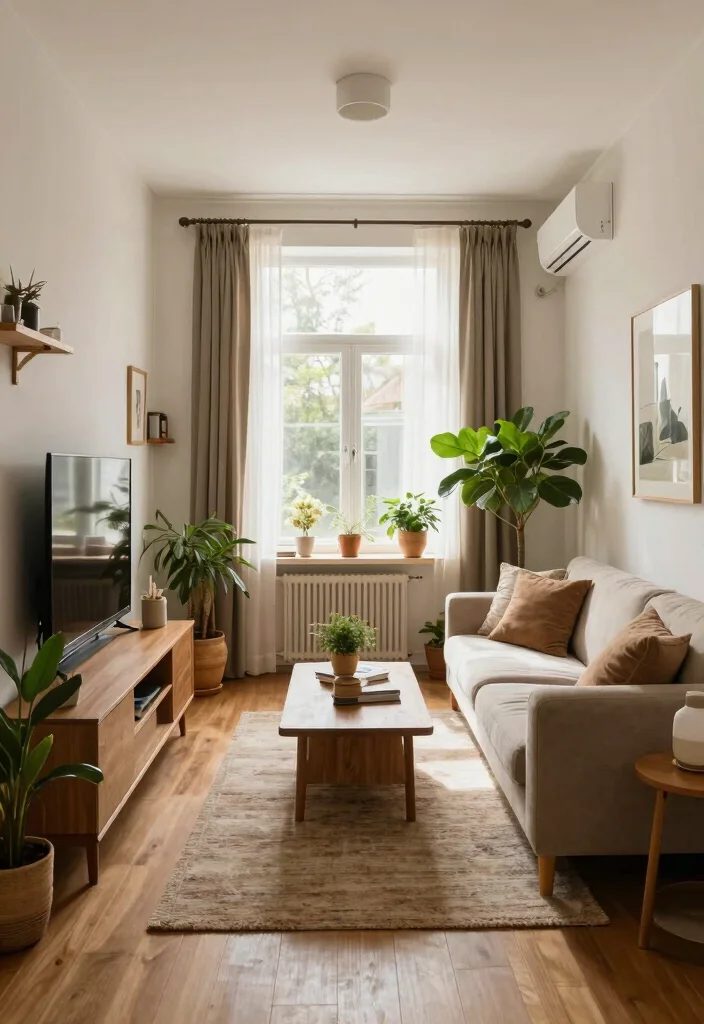
Natural light can dramatically transform your narrow living room, making it feel larger and more inviting. Instead of heavy curtains, opt for sheer fabrics that allow light to filter through while maintaining privacy. Ensure that windows are unobstructed by furniture or decor, allowing light to fill the space. Mirrors can also reflect light, brightening the area even more.
To maximize natural light on a budget, consider DIY window treatments or second-hand decor that complements your style. This approach aligns with the trend of prioritizing light and airiness in interior design.
– Use light window treatments for an airy feel.
– Strategically place mirrors to capture and reflect light.
– Choose light-colored decor to maintain brightness.
– Avoid heavy furnishings near windows to enhance light flow.
Maximizing natural light not only enhances openness but also creates a warm and cheerful atmosphere in your living room.
Maximize Natural Light
Editor’s Choice



9. Incorporate Greenery
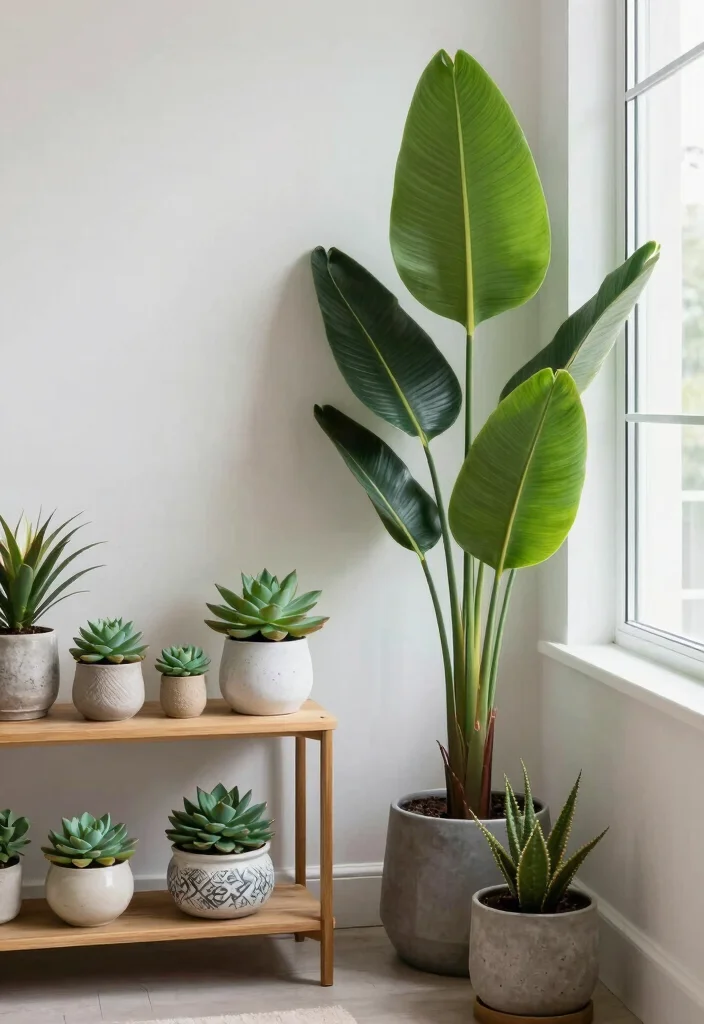
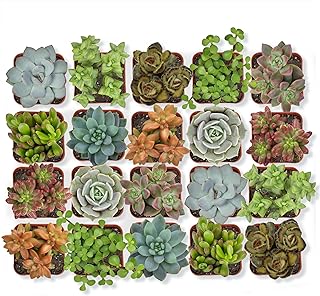
Bringing greenery into your narrow living room can infuse life and vibrancy into the space. Plants help to create a welcoming atmosphere while improving air quality. Choose low-maintenance varieties like succulents or trailing vines that won’t take up too much space. Using vertical planters or wall-mounted pots can save floor space while still allowing you to enjoy nature indoors.
To stay budget-friendly, consider starting with cuttings from friends or local plant swaps. This trend of incorporating greenery supports the idea of biophilic design, which connects people with nature.
– Choose low-maintenance plants for easy care.
– Incorporate trailing plants to add texture without taking up space.
– Use decorative pots that complement your theme for added style.
– Group plants of varying heights for an eye-catching display.
Incorporating greenery adds a fresh touch, enhancing both the beauty and livability of your narrow living room.
Incorporate Greenery
Editor’s Choice



10. Personalize with Art
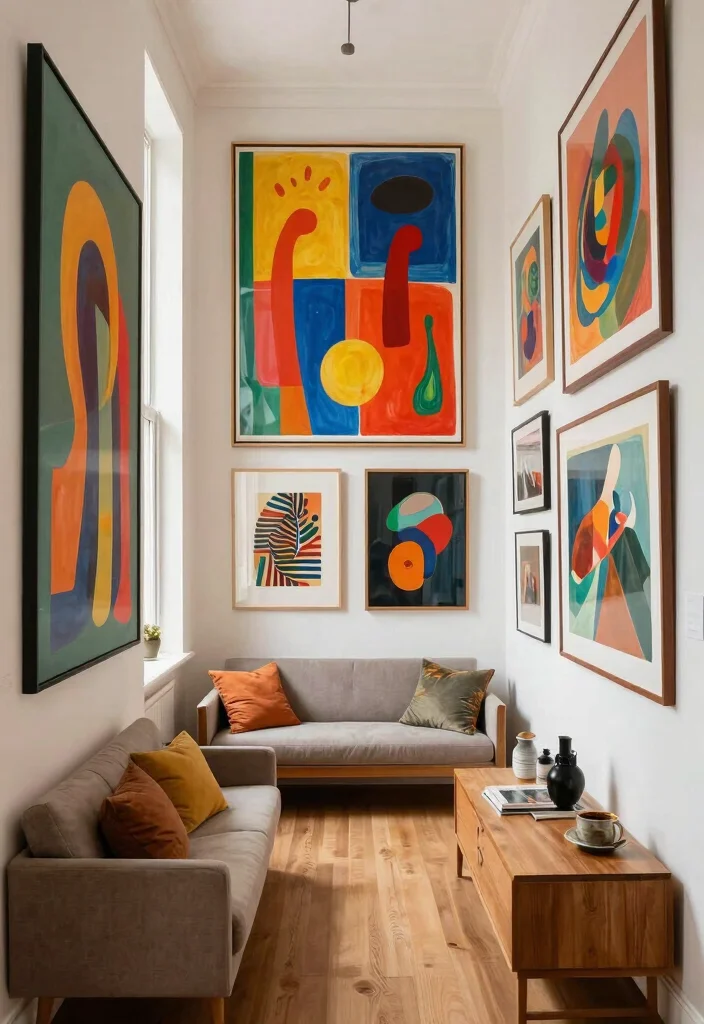
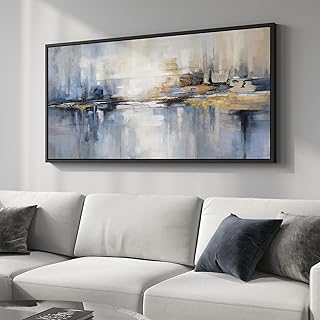
Art can bring personality and character to your narrow living room while enhancing the sense of openness. Selecting larger pieces can create a striking impact without overcrowding your walls. Creating a gallery wall allows you to display multiple artworks in a cohesive manner, adding depth to your decor. Be mindful of the color palette to ensure it complements your overall design.
To personalize your space on a budget, look for local artists or online marketplaces for affordable options. This trend encourages self-expression and creativity in home decor.
– Opt for oversized art to make a bold statement.
– Curate a gallery wall for a unique artistic touch.
– Choose art that reflects your personality for a personal touch.
– Use removable wall art for flexibility in your design.
Personalizing with art not only enhances the space visually but also creates a meaningful connection to your living environment.
Personalize with Art
Editor’s Choice




Conclusion
Transforming your narrow living room into an open, inviting space is possible with thoughtful design choices.
From utilizing mirrors and light colors to incorporating space-saving furniture, each element can contribute to a feeling of spaciousness.
Explore these ideas and personalize them to fit your style – your perfect urban oasis awaits!
Note: We aim to provide accurate product links, but some may occasionally expire or become unavailable. If this happens, please search directly on Amazon for the product or a suitable alternative.
This post contains Amazon affiliate links, meaning we may earn a small commission if you purchase through our links, at no extra cost to you.
Frequently Asked Questions
What are some practical space-saving furniture ideas for a small narrow living room?
For small narrow living room ideas, prioritize space-saving furniture that fits the line of sight. Consider a slim sofa with built-in storage, a nesting set of coffee and side tables, wall-mounted or corner seating, and a lift-top coffee table. Use small living room design principles like dual-purpose pieces and hidden storage to keep clutter down. Choose pieces with exposed legs to visually lighten the space and maximize floor area.
How can I maximize natural light in a small narrow living room to feel more open?
Maximizing natural light is key to open concept decor in a tight space. Use sheer or light curtains, keep window treatments minimal, place mirrors opposite windows to reflect light, and opt for glass or acrylic surfaces where possible. Keep the window area clear of heavy furniture and choose a light color palette to maximize natural light—all of which helps your small living room feel brighter and more expansive.
What layout tips help create an open feel with open concept decor in a narrow space?
Think in lines and flow. Lean into open concept decor by keeping furniture against walls, using a single rug to define zones, and avoiding bulky dividers. A wall-mounted TV or slim media console preserves sightlines, while floating shelves add storage without crowding. This approach supports space-saving furniture and maintains a cohesive, airy feel in your small narrow living room.
How can I choose colors and decor for a minimalist living room in a tiny space?
Aim for a minimalist living room vibe with a calm, cohesive palette. Start with small living room design basics: light neutrals, soft textures, and a few well-chosen accents. Use texture (wood, linen, woven fibers) to add warmth without visual clutter, and pick multi-functional pieces that serve more than one purpose. Keeping surfaces clean and intentional helps maximize the sense of openness and airiness.
What common mistakes should I avoid when decorating a small narrow living room?
Avoid bulky or oversized furniture that blocks light and flow, and resist the urge to fill every surface with decor. Heavy drapes, dark colors, and too many accessories can make the space feel cramped. Poor traffic flow and clutter disrupt open concept decor and undermine small narrow living room ideas. Plan the layout first, keep pathways clear, and choose a few standout pieces that maximize space-saving furniture while enhancing natural light.